

What Causes Erectile Dysfunction? Common Reasons, Risk Factors and How to Manage It
Erectile dysfunction (ED) is a common health concern that can affect men at different stages of life. It describes difficulty getting or maintaining an erection firm enough for sexual activity. Occasional erection difficulties can happen because of tiredness, stress or alcohol consumption. However, when the problem becomes frequent, it may be worth investigating the underlying cause.
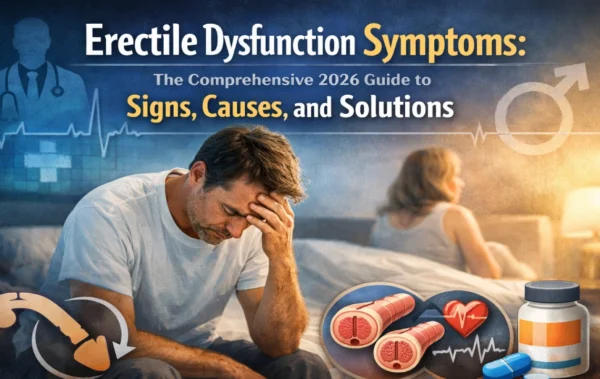
Understanding the causes of erectile dysfunction is an important first step towards finding appropriate support. ED is not always related to age or sexual performance. Physical health, emotional wellbeing, lifestyle habits and certain medicines can all play a role. In this guide, we explore common reasons for erectile difficulties and explain when professional advice may help.
1. Stress, Anxiety and Mental Health
Mental and emotional wellbeing can have a significant effect on sexual function. Stress from work, financial concerns, family responsibilities or relationship difficulties may make it harder to relax and become sexually aroused.
Anxiety about sexual performance can also create a cycle in which worrying about getting an erection makes the difficulty more likely to happen again. Depression, low confidence and ongoing emotional pressure may contribute as well.
Psychological factors do not mean that the symptoms are imaginary. The brain plays an important role in sexual arousal, and emotional difficulties can affect the body’s physical response. Open communication with a partner, stress-management techniques and professional counselling may help when emotional factors are involved.
2. Diabetes and Blood Sugar Problems
Diabetes is one of the medical conditions associated with erectile dysfunction. Persistently high blood glucose can damage blood vessels and nerves over time. These changes may affect the circulation and nerve signals needed for an erection.
Men with diabetes may also experience other health concerns that influence sexual function, including high blood pressure, cholesterol problems and hormonal changes. Managing blood glucose, attending regular health checks and following medical advice can support overall wellbeing.
3. Heart Health, High Blood Pressure and Poor Circulation
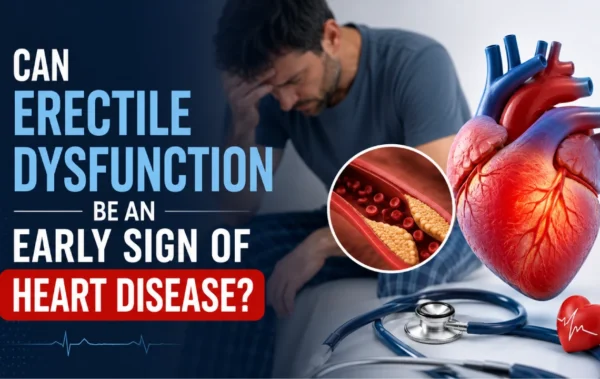
A healthy erection depends partly on adequate blood flow. Conditions that affect the heart and blood vessels can therefore contribute to erectile difficulties.
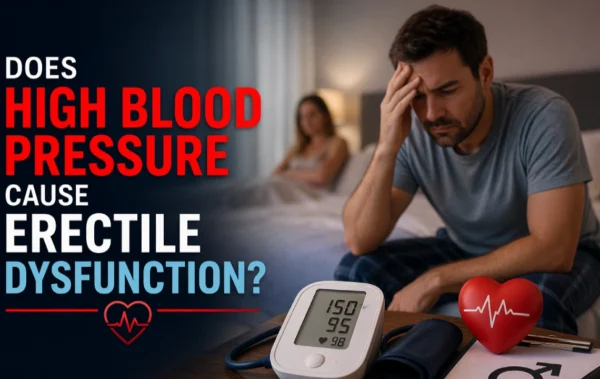
High blood pressure, high cholesterol and cardiovascular disease may damage or narrow blood vessels, making circulation less effective. In some cases, persistent ED is a reason to discuss cardiovascular health with a doctor.
A healthcare professional may recommend checking blood pressure, cholesterol and other relevant health markers. Improving cardiovascular health can benefit general health as well as sexual wellbeing.
4. Hormonal Changes and Low Testosterone
Hormones help regulate several aspects of sexual health. Testosterone is involved in sexual desire, and unusually low levels may contribute to reduced libido and, in some men, erection difficulties.
However, low testosterone is not the explanation for every case of ED. Other conditions, medicines, sleep problems and general health factors may produce similar symptoms. A healthcare professional can assess symptoms and decide whether blood tests are appropriate. Testosterone treatment should only be considered when a deficiency has been properly assessed and diagnosed.
5. Lifestyle Habits and Certain Medicines
Everyday habits can influence circulation, energy levels and sexual function. Smoking, excessive alcohol consumption, recreational drug use, limited physical activity and carrying excess weight may increase the likelihood of erection problems.
Some prescription and over-the-counter medicines can also affect sexual function. These may include certain medicines used for blood pressure, depression and other health conditions. Do not stop or change prescribed medication on your own. If you suspect a medicine is contributing to ED, ask your doctor or pharmacist whether a review or alternative may be appropriate.
Regular physical activity, balanced meals, sufficient sleep, limiting alcohol and stopping smoking can support general health and may improve erectile function in some men.
6. When Should You Speak to a Healthcare Professional?
An occasional erection problem does not necessarily indicate a serious condition. However, if difficulties keep happening, become more noticeable or affect your confidence and relationships, arrange a medical assessment.
A healthcare professional may ask about your symptoms, lifestyle, mental health and current medicines. They may also check your blood pressure and recommend blood tests to investigate possible underlying conditions. Treatment depends on the cause and may include managing an existing health condition, reviewing medicines, psychological support, lifestyle changes or prescribed ED medication.
Medicines such as sildenafil belong to a group called PDE5 inhibitors. They can help some men by improving blood flow to the penis, but they are not suitable for everyone. Sildenafil must not be taken with nitrate medicines used for chest pain because the combination can cause a dangerous fall in blood pressure.
If you are researching sildenafil products, you can read the information on our Cenforce 150 mg product page or Cenforce Professional product page. These pages provide product information and are not a recommendation to use a particular medicine or strength. Speak to a qualified healthcare professional before using sildenafil or any ED medication, and check that any online medicine supplier is appropriately registered.
For further guidance, read the NHS information about erectile dysfunction.
7. Can Erectile Dysfunction Be Improved?
In many cases, erectile dysfunction can be managed once the contributing factors have been identified. The right approach depends on whether the problem is mainly physical, psychological or a combination of both.
Some men may benefit from improving cardiovascular health, managing diabetes, reducing stress or reviewing medicines with their doctor. Others may need counselling, further medical investigations or an appropriate treatment plan.
Avoid unverified supplements and online products that promise instant results. No single treatment works for everyone, and choosing medication without checking its suitability can be unsafe. ED is a medical concern that can be discussed confidentially with a healthcare professional. Seeking advice early can help identify treatable health issues and provide a clearer path forward.
Frequently Asked Questions
What is the most common cause of erectile dysfunction?
There is no single cause for every man. Erectile dysfunction can be associated with blood-flow problems, diabetes, high blood pressure, stress, anxiety, hormonal conditions, lifestyle habits and certain medicines.
Can stress cause erectile dysfunction?
Yes. Stress and anxiety can interfere with sexual arousal and contribute to erection difficulties. If the problem continues, a healthcare professional can help assess whether psychological or physical factors are involved.
Does erectile dysfunction mean low testosterone?
No. Low testosterone can affect sexual desire and may contribute to erection problems, but ED has many possible causes. A medical assessment is needed to determine whether hormone levels are involved.
Can lifestyle changes help with erectile dysfunction?
They may help some men. Regular exercise, stopping smoking, limiting alcohol, maintaining a healthy weight and getting enough sleep can support circulation and general health. Persistent symptoms still need medical assessment.
When should I see a doctor about erection problems?
Speak to a healthcare professional if erection difficulties happen repeatedly, are getting worse or cause concern. ED can sometimes be associated with an underlying condition that needs attention.
Medical Disclaimer: This article is for general educational purposes only and is not a substitute for professional medical advice, diagnosis or treatment. Erectile dysfunction can have several underlying causes. Always consult a qualified healthcare professional before starting, stopping or changing any medication.
| Written By |
Olivia Bennett (Content Writer)
6+ years of experience in men’s health and pharmaceutical content. |
|---|---|
| Medically Reviewed By |
Dr. Nick Linton 12+ years of clinical experience in men’s health and sexual medicine. |
| Last Reviewed | 08/11/2026 |
| Next Review | February 7, 2027 |
| Category | Men's Health |
Written and reviewed by

Olivia Bennett
Health Content Writer & Medical Research Contributor